Tubular and multichannel modules-TMO
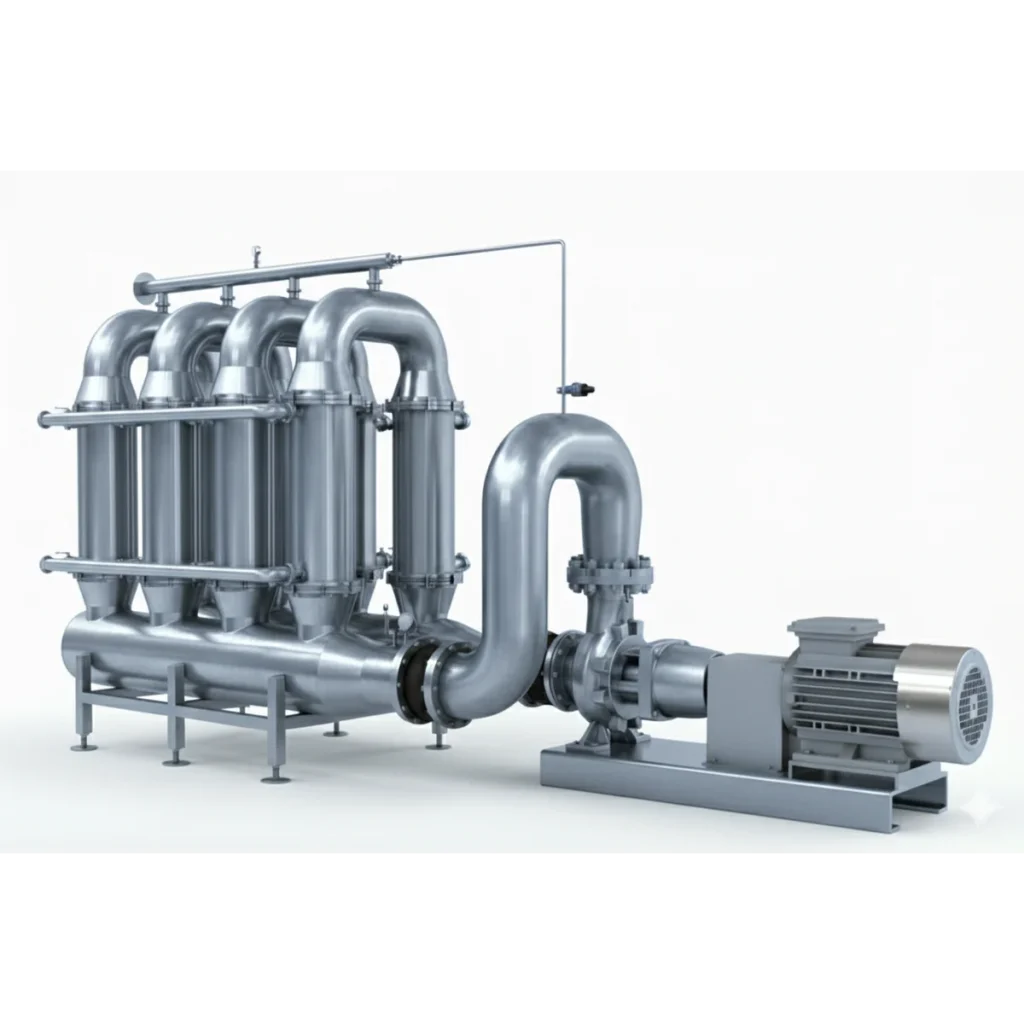
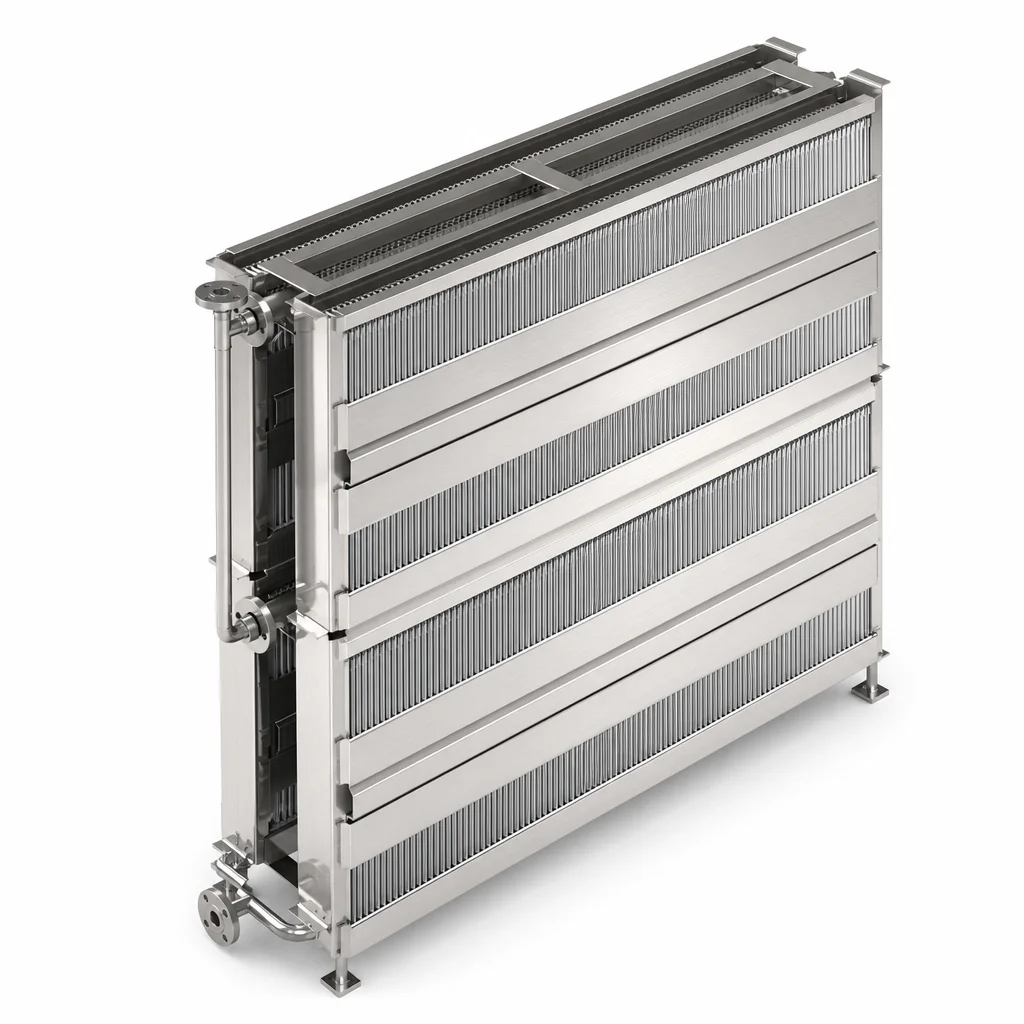
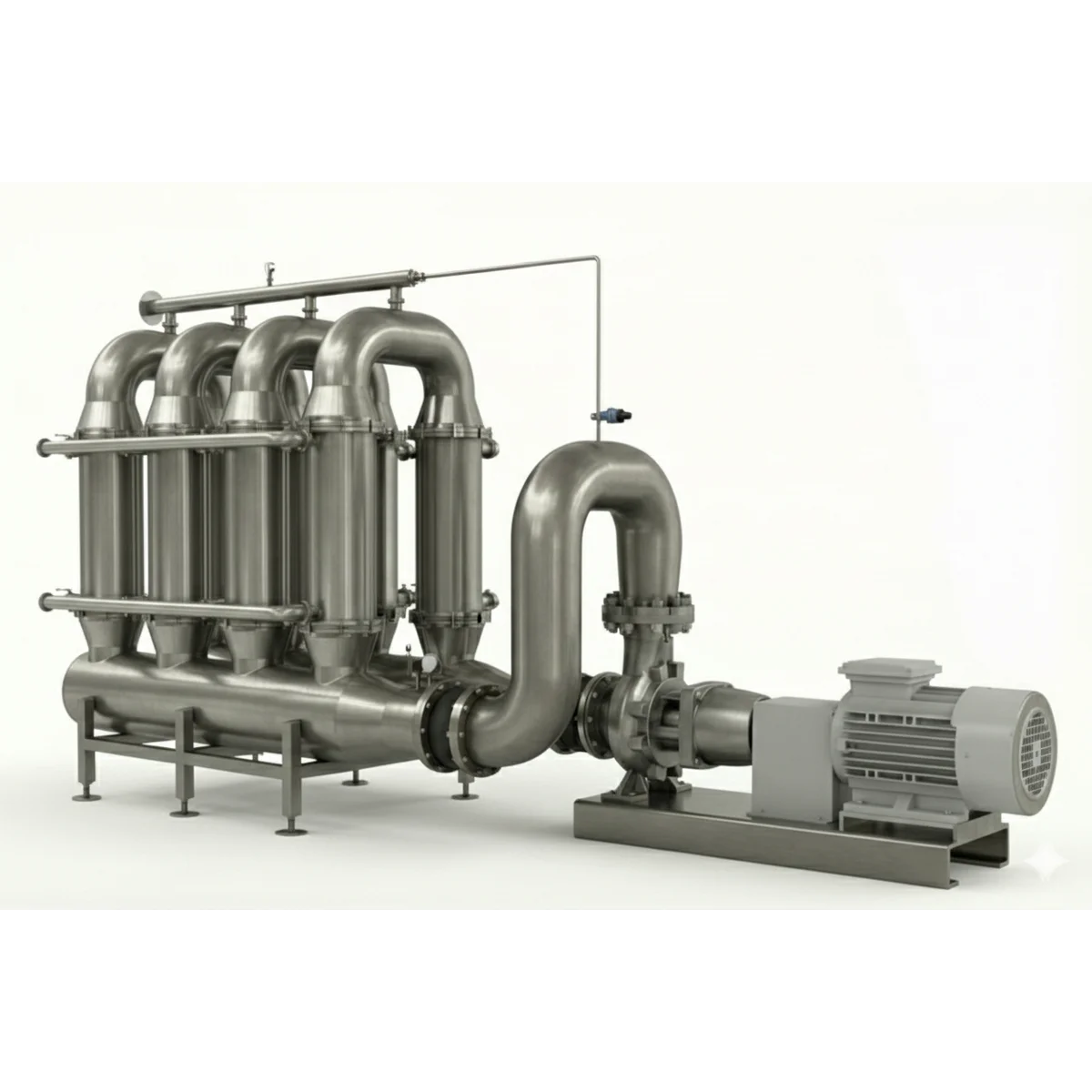
Titanium ceramic membrane modules by Nano Palayesh Ceram (NPC) are engineered for highly corrosive, high-salinity, and chemically aggressive liquid filtration environments. Their titanium pressure-vessel construction offers exceptional resistance to chloride corrosion, seawater exposure, oxidizing chemicals, and extreme pH, ensuring long-term structural integrity where stainless-steel housings may degrade.
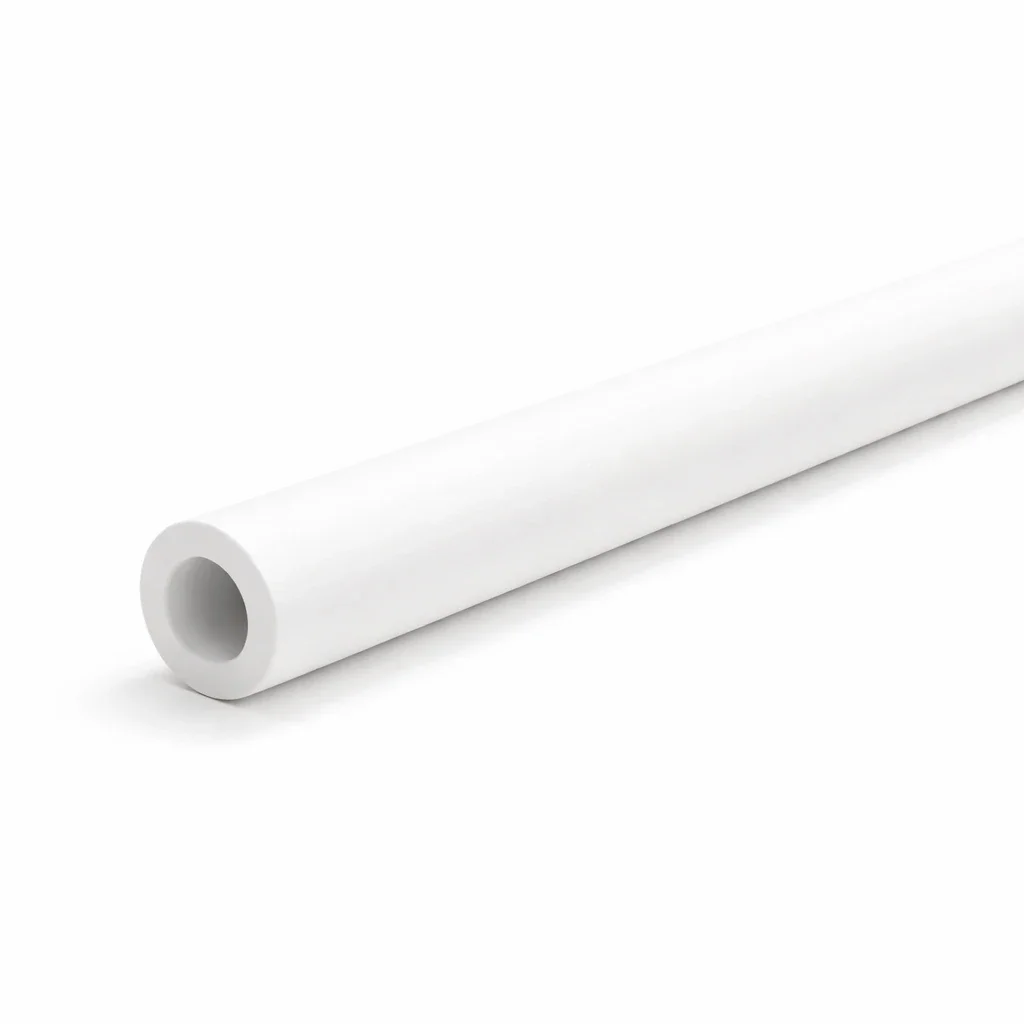
These crossflow modules support MF/UF/NF ceramic membrane elements in Alumina, Zirconia, and SiC materials, delivering stable flux, long service life, and reliable performance in critical industrial and marine applications.
- Titanium pressure vessel construction (Grade 2, 7, 12 or custom alloys).
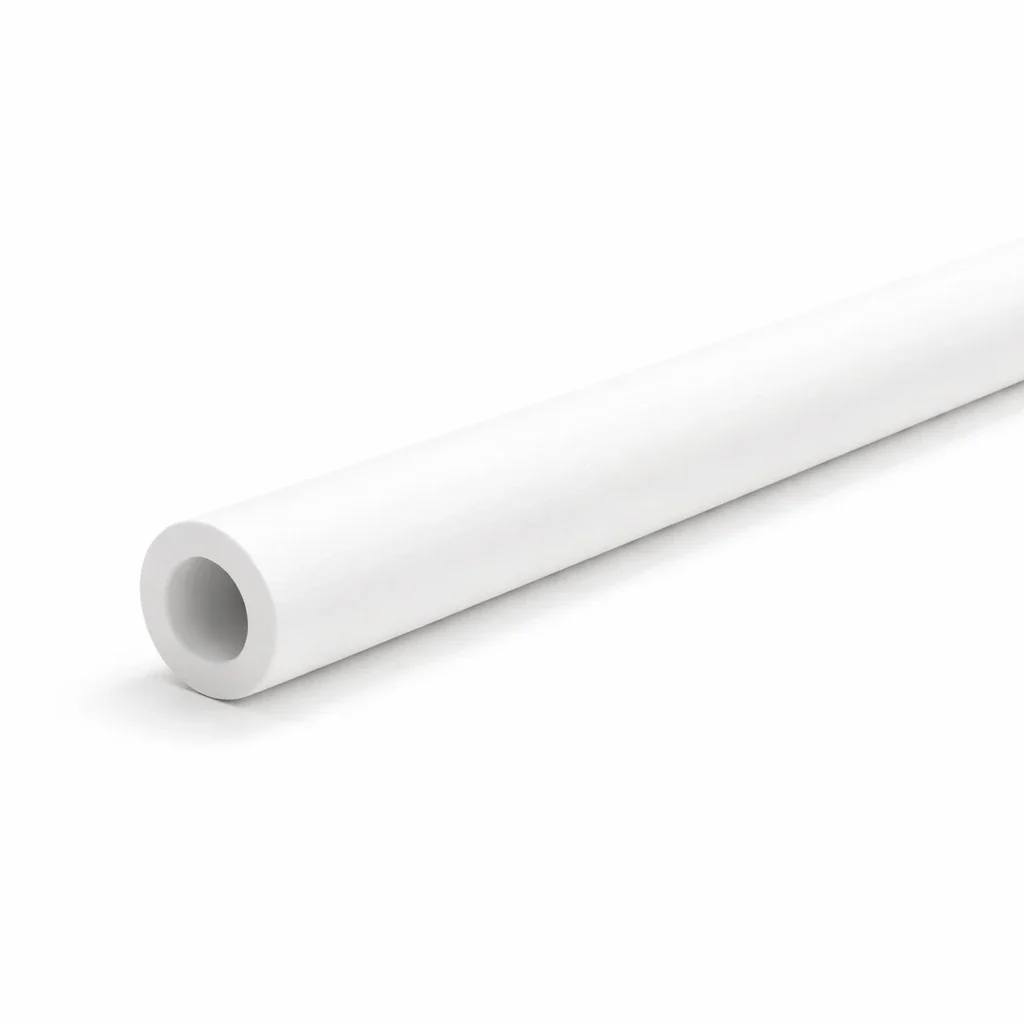
- Compatible with single-channel and multichannel ceramic membrane elements.
- Designed for MF, UF and NF ceramic membranes.
- Crossflow filtration configuration for high fouling resistance.
- Multiple sealing options: EPDM, PTFE, Silicon, Rubber.
- Flange, clamp, and custom nozzle interface configurations available.
- Model Code: NPC-TMO
- Filtration Mode: Crossflow
- Operating TMP: 0.5 – 3 bar
- Crossflow Velocity: 2 – 5 m/s
- Pressure Vessel Range: 0–1.0 / 1.6 / 2.5 / 4.0 MPa
- Element Diameter: 25, 30, 40, 50 mm
- Element Length: 500, 1000, 1200 mm
- Element Quantity per Module: 1 to 241 pcs
- Compatible Membrane Materials: Alumina, ZrO₂, SiC
- Titanium Grades: Grade 2, Grade 7, Grade 12 or application-specific alloys
- Seawater desalination and brackish water pretreatment (SWRO/BWRO).
- Offshore, marine, and shipboard water treatment systems.
- Highly corrosive chemical and petrochemical process streams.
- Power generation boiler feedwater and cooling-water filtration.
- High-purity water systems in electronics, biotech, and pharmaceutical plants.
- Mining and metals processing with acidic and chloride-rich streams.
- Industrial high-salinity wastewater treatment and reuse.
Titanium modules provide unmatched corrosion resistance in chloride-rich, seawater, and chemically aggressive environments, ensuring longer service life compared to stainless-steel housings. Their inert structure prevents metal ion leaching, maintains stable filtration performance under extreme pH and oxidizing conditions, and significantly reduces maintenance and replacement costs in critical high-salinity and offshore applications.